
Jaipur is one of the most robust Tier-2 property markets in India. The city seems to be attracting NRIs, and the upcoming new projects in Jaipur, which are currently under development, are likely to be a key factor in the trend. This guide covers the rules, funding, and inspections needed before investing abroad.
Why Jaipur Attracts NRI Buyers
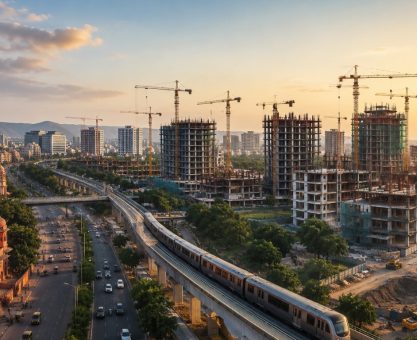
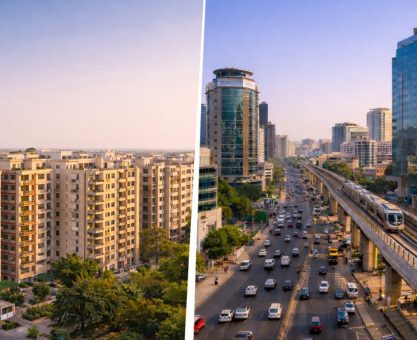
There is a scope of getting into Jaipur for little cost with great appreciation potential. The expansion of the metro and consistent infrastructure development efforts, along with the Delhi-Mumbai Expressway, have encouraged developers to introduce new projects in Jaipur in the areas of Mansarovar Extension, Jagatpura, and Sirsi Road.
Ashiana Housing has announced an investment of approximately Rs 560 crores in a high-end residential project in the city, targeting those seeking to invest in spacious homes with built-in amenities. The company also rolled out its project Ashiana Ekansh, comprising 560 units in nine towers in Mansarovar Extension, on an area of 8.6 acres. Such activity is an indication of genuine confidence among real estate developers in Jaipur’s growth track.
Can NRIs Buy Property in Jaipur
Yes, and the rules are easier than most people think. According to FEMA rules, NRIs are allowed to purchase any number of residential or commercial properties in India, without any limit on the value or quantity of properties. It is not possible to purchase agricultural land, farmhouses, and plantation property without special permission, although it can be inherited or given as a gift.
How to Fund Your Purchase
All transactions are made via a proper banking system. This is a requirement of FEMA and not a recommendation.
- NRE account for funds you want to repatriate later
- NRO accounts for rental income and local transactions.
- FCNR account for holding funds in foreign currency
There will be no cash payments accepted, and FEMA can impose penalties up to 3 times the amount of money moved when moving money through informal channels.

Documents and Tax Rules to Know
List your PAN card, passport, and account proof along with your OCI or PIO card before you shortlist a property. If you are going to be registered for by someone else, use a particular power of attorney and not a general one.
TDS is applicable on the day of sale and is calculated on both short-term and long-term gains. Long-term gains will receive indexation benefits, which will reduce your tax liability. India also has a DTAA with most countries, whereby the tax paid in India can be credited against the tax liability in the foreign country.
Where to Look Among New Projects in Jaipur
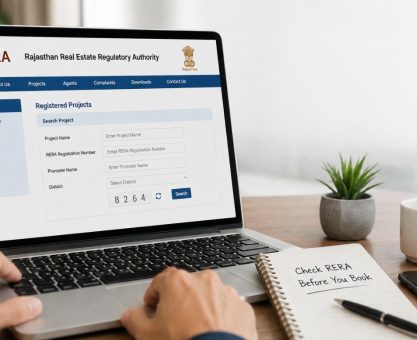
Not all launches are for all buyers. Pre-established developers have experience and can provide excellent resale value and documentation. Before investing in the new projects in Jaipur, be assured by the RERA registration number, the delivery record of the builder, and the precise possession date.
Ask yourself the following questions as a first consideration. What is your rental expectation, is long-term appreciation your main objective, and do you intend to return to India or simply invest in it?
Common Mistakes to Avoid
- Skipping a title search before payment
- Using a general power of attorney instead of a specific one
- Not verifying RERA registration before booking
- Trusting verbal promises from builders without written agreements
- With a bit of simple diligence before committing to anything, you can avoid these errors.
Conclusion
In 2026, NRIs have an authentic chance to invest in Jaipur, supported by viable infrastructure development, promising new projects in the city, and a robust rental market. Although the FEMA rules are not complicated once understood, the paperwork and tax planning must be taken care of from the start.
In BigSauda, we assist NRI buyers in selecting the right project in Jaipur and handle end-to-end documentation and compliance. Before you make your first move when you are planning a property purchase from abroad, please discuss your plans with us.